Google Pixel 11 Pro XL vs Google Pixel 6
Google Pixel 11 Pro XL — Pick the Google Pixel 11 Pro XL — it leads these groups: Display 3 Battery 2 Performance 2
Tap a group name to see the proof · The scoring method is public
The short answer
Google Pixel 11 Pro XL wins this comparison with a score of 39/100, ahead of Google Pixel 6 (32).
The main differences: Screen size (6.8 in vs 6.4 in) · Refresh rate (120 Hz vs 90 Hz) · Pixel density (482 ppi vs 411 ppi).
Scores are computed from 26 public spec attributes; missing values stay marked unknown in tables and are imputed at the category median, never passed off as measured.


At a glance
0–100 per group, normalized within the category · Tap a group for details
How to choose
Pick the Google Pixel 11 Pro XL if you care about…
- Screen size 6.8 in +0.4 in vs 6.4 in
- Refresh rate 120 Hz +30 Hz vs 90 Hz
- Pixel density 482 ppi +71 ppi vs 411 ppi
- Battery capacity 5115 mAh +501 mAh vs 4614 mAh
Pick the Google Pixel 6 if you care about…
- Weight 207 g +19 g vs 226 g
- Length 158.6 mm +4.1 mm vs 162.7 mm
- Width 74.8 mm +1.7 mm vs 76.5 mm
- CPU cores 8 +1 vs 7
Best price now
Cheap alternatives
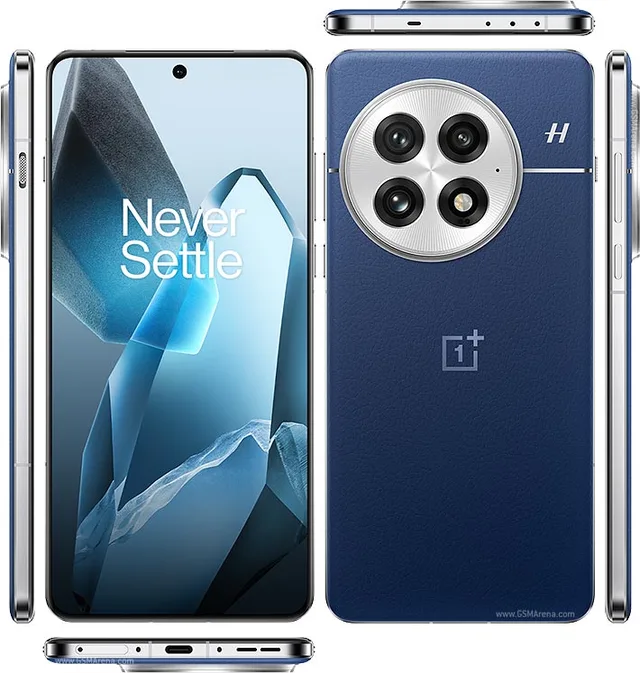 OnePlus 13
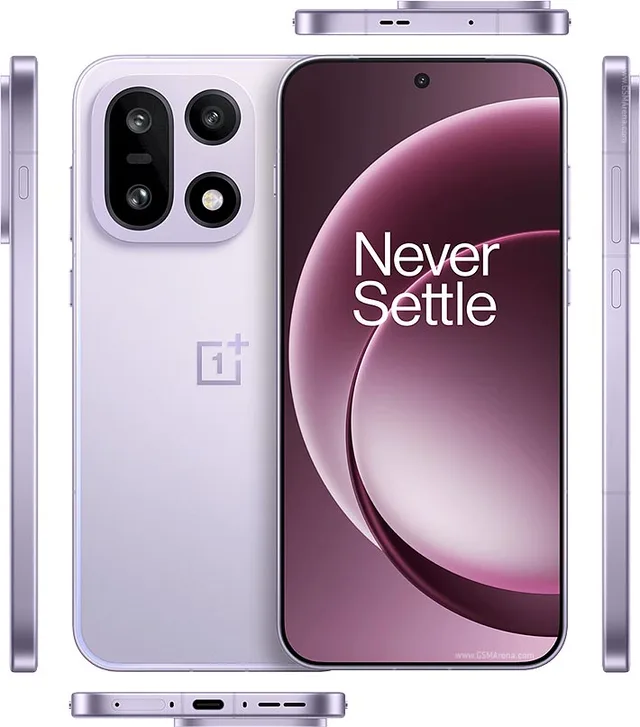 OnePlus 15
 vivo X Fold6
 Google Pixel 9 Pro XL
 Google Pixel 10 Pro Fold
 Google Pixel 10a
Where they differ
17 · Only rows that actually differ, with a verdict per row
| Google Pixel 11 Pro XL | Google Pixel 6 | Where they differ | |
|---|---|---|---|
| Screen size | 6.8 in | 6.4 in | Google Pixel 11 Pro XL |
| Refresh rate | 120 Hz | 90 Hz | Google Pixel 11 Pro XL |
| Pixel density | 482 ppi | 411 ppi | Google Pixel 11 Pro XL |
| Display type | LTPO OLED | AMOLED | Depends |
| Battery capacity | 5115 mAh | 4614 mAh | Google Pixel 11 Pro XL |
| Wireless charging power | 25 W | 21 W | Google Pixel 11 Pro XL |
| RAM | 12 GB | 8 GB | Google Pixel 11 Pro XL |
| Chipset | Tensor G6 | Tensor | Depends |
| OS | Android 17 | Android 12 | Depends |
| Storage | 256 GB | 128 GB | Google Pixel 11 Pro XL |
| Selfie camera | 42 MP | 8 MP | Google Pixel 11 Pro XL |
| Weight | 226 g | 207 g | Google Pixel 6 |
| Thickness | 8.5 mm | 8.9 mm | Google Pixel 11 Pro XL |
| Length | 162.7 mm | 158.6 mm | Google Pixel 6 |
| Width | 76.5 mm | 74.8 mm | Google Pixel 6 |
| Colors | Canyon, Olive, Fog, Obsidian | Sorta Seafoam, Kinda Coral, Stormy Black | Depends |
| CPU cores | 7 | 8 | Google Pixel 6 |
The record
Grouped and collapsible · Tap a group to fold
Display5▾
| Google Pixel 11 Pro XL | Google Pixel 6 | |
|---|---|---|
| Screen size | 6.8 in | 6.4 in |
| Peak brightness | 3600 nits | — |
| Refresh rate | 120 Hz | 90 Hz |
| Pixel density | 482 ppi | 411 ppi |
| Display type | LTPO OLED | AMOLED |
Battery4▾
| Google Pixel 11 Pro XL | Google Pixel 6 | |
|---|---|---|
| Battery capacity | 5115 mAh | 4614 mAh |
| Wired charging | 45 W | — |
| Wireless charging power | 25 W | 21 W |
| Wireless charging | ✓ | ✓ |
Performance5▾
| Google Pixel 11 Pro XL | Google Pixel 6 | |
|---|---|---|
| RAM | 12 GB | 8 GB |
| Chipset | Tensor G6 | Tensor |
| OS | Android 17 | Android 12 |
| Storage | 256 GB | 128 GB |
| AnTuTu 11 score | 1933536 | — |
Camera2▾
| Google Pixel 11 Pro XL | Google Pixel 6 | |
|---|---|---|
| Main camera | 50 MP | 50 MP |
| Selfie camera | 42 MP | 8 MP |
Design6▾
| Google Pixel 11 Pro XL | Google Pixel 6 | |
|---|---|---|
| Weight | 226 g | 207 g |
| Thickness | 8.5 mm | 8.9 mm |
| Water resistant (IP68) | ✓ | ✓ |
| Length | 162.7 mm | 158.6 mm |
| Width | 76.5 mm | 74.8 mm |
| Colors | Canyon, Olive, Fog, Obsidian | Sorta Seafoam, Kinda Coral, Stormy Black |
Memory1▾
| Google Pixel 11 Pro XL | Google Pixel 6 | |
|---|---|---|
| Memory card slot | — | — |
Platform1▾
| Google Pixel 11 Pro XL | Google Pixel 6 | |
|---|---|---|
| CPU cores | 7 | 8 |
Features2▾
| Google Pixel 11 Pro XL | Google Pixel 6 | |
|---|---|---|
| Face unlock | — | — |
| Fingerprint sensor | ✓ | ✓ |
Data sources: GSMArena
FAQ
Which is better, Google Pixel 11 Pro XL or Google Pixel 6?
Google Pixel 11 Pro XL has the higher overall score (39 vs 32) and leads in Display, Battery, Performance. Choose Google Pixel 6 instead if Weight matters more to you.
What are the main differences?
The main differences: Screen size (6.8 in vs 6.4 in) · Refresh rate (120 Hz vs 90 Hz) · Pixel density (482 ppi vs 411 ppi).
How are the scores calculated?
We normalize 26 public spec attributes within the category and weight them by group into a 0–100 score; missing values are inherited from spec-identical twins or imputed at the category median, so a sparse spec sheet never earns an advantage. The methodology is public.