KingBank 32GB 2×16GB DDR5 6000 vs KingBank 64GB 2×32GB DDR5 6000
The short answer
KingBank 64GB 2×32GB DDR5 6000 wins this comparison with a score of 60/100, ahead of KingBank 32GB 2×16GB DDR5 6000 (51).
The main differences: Module size (32 GB vs 64 GB).
Scores are computed from 5 public spec attributes; missing values stay marked unknown in tables and are imputed at the category median, never passed off as measured.

At a glance
0–100 per group, normalized within the category · Tap a group for details
How to choose
Pick the KingBank 32GB 2×16GB DDR5 6000 if you care about…
- Voltage 1.4 V +0.0 V vs 1.4 V
Pick the KingBank 64GB 2×32GB DDR5 6000 if you care about…
- Module size 64 GB +32 GB vs 32 GB
Best price now
Cheap alternatives
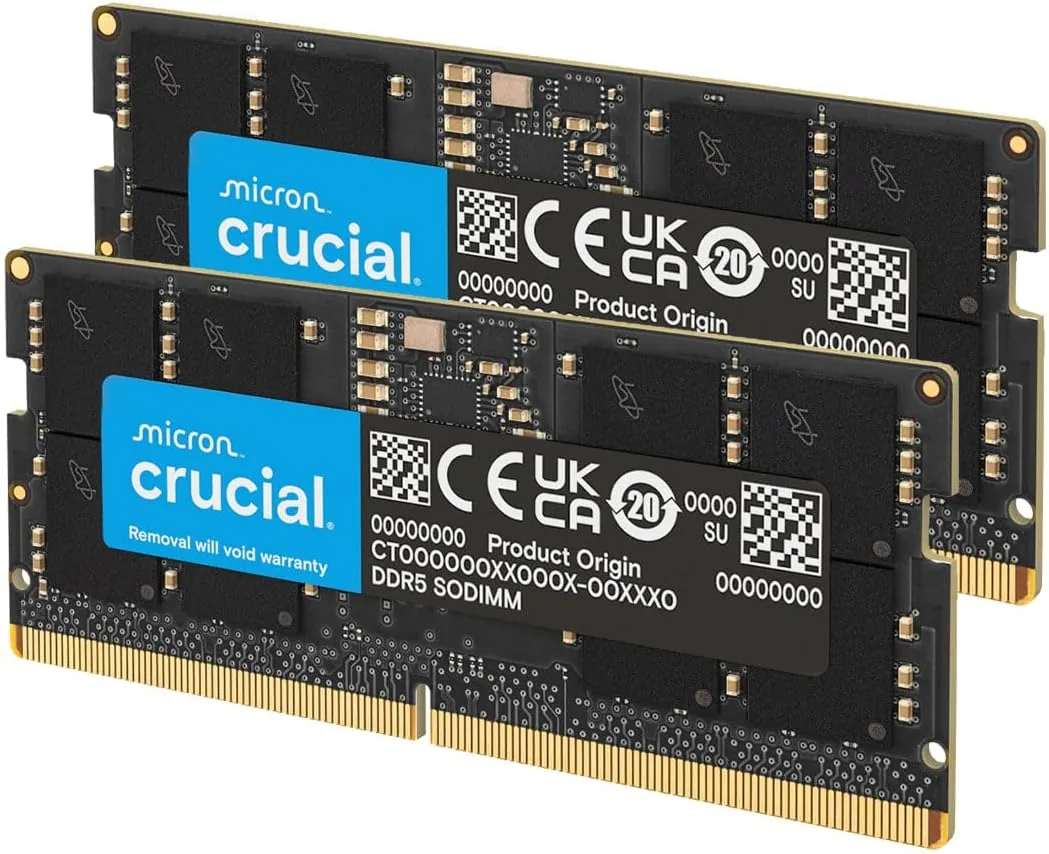 Crucial DDR5 5600
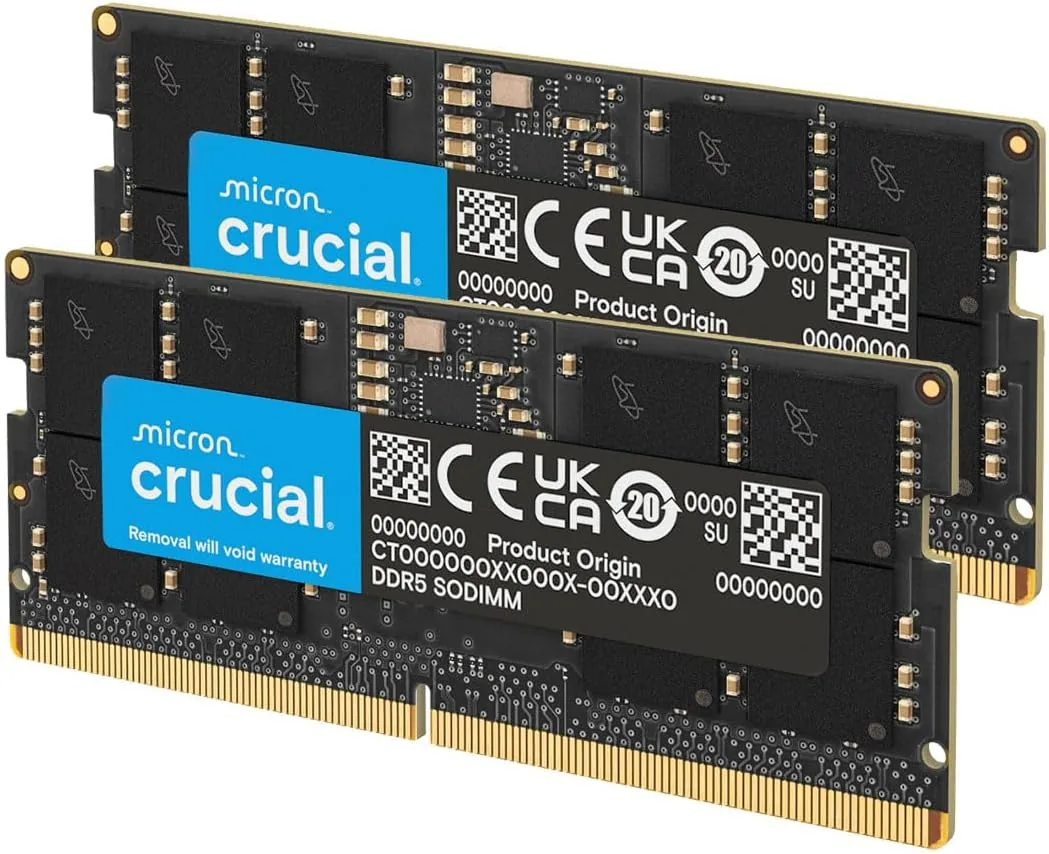 Crucial DDR5 5600 SO-DIMM
 ASGARD 16GB 8Gx2 DDR4 3600
 JUHOR 32GB DDR5 6000 C40
 JUHOR 32GB 16GB*2 DDR5 6000 C40
 JUHOR 16GB DDR5 6000 C28
Where they differ
1 · Only rows that actually differ, with a verdict per row
| KingBank 32GB 2×16GB DDR5 6000 | KingBank 64GB 2×32GB DDR5 6000 | Where they differ | |
|---|---|---|---|
| Module size | 32 GB | 64 GB | KingBank 64GB 2×32GB DDR5 6000 |
The record
Grouped and collapsible · Tap a group to fold
Speed2▾
| KingBank 32GB 2×16GB DDR5 6000 | KingBank 64GB 2×32GB DDR5 6000 | |
|---|---|---|
| Memory speed | 6000 MT/s | 6000 MT/s |
| CAS latency | 30 | 30 |
Specs3▾
| KingBank 32GB 2×16GB DDR5 6000 | KingBank 64GB 2×32GB DDR5 6000 | |
|---|---|---|
| DDR generation | 5 | 5 |
| Module size | 32 GB | 64 GB |
| Voltage | 1.4 V | 1.4 V |
Data sources: Amazon
FAQ
Which is better, KingBank 32GB 2×16GB DDR5 6000 or KingBank 64GB 2×32GB DDR5 6000?
KingBank 64GB 2×32GB DDR5 6000 has the higher overall score (60 vs 51). Choose KingBank 32GB 2×16GB DDR5 6000 instead if Voltage matters more to you.
What are the main differences?
The main differences: Module size (32 GB vs 64 GB).
How are the scores calculated?
We normalize 5 public spec attributes within the category and weight them by group into a 0–100 score; missing values are inherited from spec-identical twins or imputed at the category median, so a sparse spec sheet never earns an advantage. The methodology is public.