Samsung Galaxy Z TriFold vs Sharp Aquos R10
Sharp Aquos R10 — Pick the Sharp Aquos R10 — it leads these groups: Display 3 Design 3 Memory 1
Tap a group name to see the proof · The scoring method is public
The short answer
Sharp Aquos R10 wins this comparison with a score of 48/100, ahead of Samsung Galaxy Z TriFold (45).
The main differences: Screen size (10 in vs 6.5 in) · Peak brightness (1600 nits vs 3000 nits) · Refresh rate (120 Hz vs 240 Hz).
Scores are computed from 26 public spec attributes; missing values stay marked unknown in tables and are imputed at the category median, never passed off as measured.


At a glance
0–100 per group, normalized within the category · Tap a group for details
How to choose
Pick the Samsung Galaxy Z TriFold if you care about…
- Screen size 10 in +3.5 in vs 6.5 in
- Battery capacity 5600 mAh +600 mAh vs 5000 mAh
- Wired charging 45 W +9 W vs 36 W
- Wireless charging ✓ vs —
Pick the Sharp Aquos R10 if you care about…
- Peak brightness 3000 nits +1400 nits vs 1600 nits
- Refresh rate 240 Hz +120 Hz vs 120 Hz
- Pixel density 396 ppi +127 ppi vs 269 ppi
- Selfie camera 50.3 MP +40.3 MP vs 10 MP
Best price now
Cheap alternatives
 vivo X Fold6
 Google Pixel 9 Pro XL
 Google Pixel 10 Pro Fold
 Google Pixel 10a
 Google Pixel 11 Pro Fold
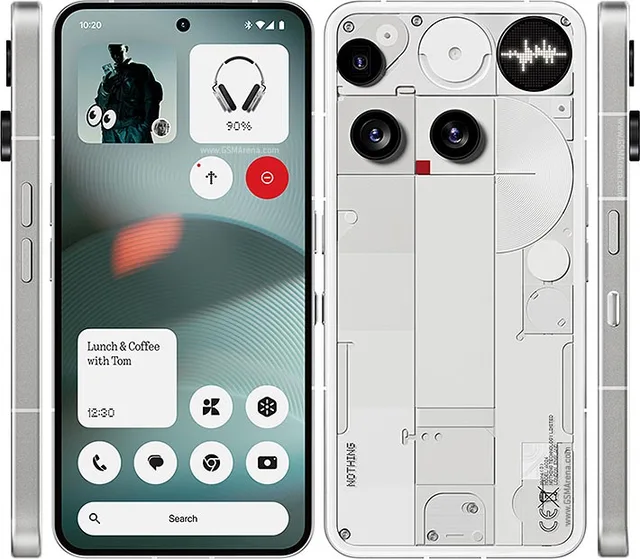 Nothing Phone (3)
Where they differ
19 · Only rows that actually differ, with a verdict per row
| Samsung Galaxy Z TriFold | Sharp Aquos R10 | Where they differ | |
|---|---|---|---|
| Screen size | 10 in | 6.5 in | Samsung Galaxy Z TriFold |
| Peak brightness | 1600 nits | 3000 nits | Sharp Aquos R10 |
| Refresh rate | 120 Hz | 240 Hz | Sharp Aquos R10 |
| Pixel density | 269 ppi | 396 ppi | Sharp Aquos R10 |
| Display type | Tri-foldable Dynamic LTPO AMOLED 2X | PRO IGZO LTPO OLED | Depends |
| Battery capacity | 5600 mAh | 5000 mAh | Samsung Galaxy Z TriFold |
| Wired charging | 45 W | 36 W | Samsung Galaxy Z TriFold |
| Wireless charging | ✓ | — | Samsung Galaxy Z TriFold |
| RAM | 16 GB | 12 GB | Samsung Galaxy Z TriFold |
| Chipset | Snapdragon 8 Elite | Snapdragon 7+ Gen 3 | Depends |
| OS | Android 16 | Android 15 | Depends |
| Storage | 512 GB | 256 GB | Samsung Galaxy Z TriFold |
| Main camera | 200 MP | 50.3 MP | Samsung Galaxy Z TriFold |
| Selfie camera | 10 MP | 50.3 MP | Sharp Aquos R10 |
| Weight | 309 g | 197 g | Sharp Aquos R10 |
| Thickness | 12.9 mm | 8.9 mm | Sharp Aquos R10 |
| Length | 159.2 mm | 156 mm | Sharp Aquos R10 |
| Colors | Crafted Black | Cashmere White, Charcoal Black, Trench Beige | Depends |
| Memory card slot | — | ✓ | Sharp Aquos R10 |
The record
Grouped and collapsible · Tap a group to fold
Display5▾
| Samsung Galaxy Z TriFold | Sharp Aquos R10 | |
|---|---|---|
| Screen size | 10 in | 6.5 in |
| Peak brightness | 1600 nits | 3000 nits |
| Refresh rate | 120 Hz | 240 Hz |
| Pixel density | 269 ppi | 396 ppi |
| Display type | Tri-foldable Dynamic LTPO AMOLED 2X | PRO IGZO LTPO OLED |
Battery4▾
| Samsung Galaxy Z TriFold | Sharp Aquos R10 | |
|---|---|---|
| Battery capacity | 5600 mAh | 5000 mAh |
| Wired charging | 45 W | 36 W |
| Wireless charging power | 15 W | — |
| Wireless charging | ✓ | — |
Performance5▾
| Samsung Galaxy Z TriFold | Sharp Aquos R10 | |
|---|---|---|
| RAM | 16 GB | 12 GB |
| Chipset | Snapdragon 8 Elite | Snapdragon 7+ Gen 3 |
| OS | Android 16 | Android 15 |
| Storage | 512 GB | 256 GB |
| AnTuTu 11 score | 2926532 | — |
Camera2▾
| Samsung Galaxy Z TriFold | Sharp Aquos R10 | |
|---|---|---|
| Main camera | 200 MP | 50.3 MP |
| Selfie camera | 10 MP | 50.3 MP |
Design6▾
| Samsung Galaxy Z TriFold | Sharp Aquos R10 | |
|---|---|---|
| Weight | 309 g | 197 g |
| Thickness | 12.9 mm | 8.9 mm |
| Water resistant (IP68) | ✓ | ✓ |
| Length | 159.2 mm | 156 mm |
| Width | 75 mm | 75 mm |
| Colors | Crafted Black | Cashmere White, Charcoal Black, Trench Beige |
Memory1▾
| Samsung Galaxy Z TriFold | Sharp Aquos R10 | |
|---|---|---|
| Memory card slot | — | ✓ |
Platform1▾
| Samsung Galaxy Z TriFold | Sharp Aquos R10 | |
|---|---|---|
| CPU cores | 8 | 8 |
Features2▾
| Samsung Galaxy Z TriFold | Sharp Aquos R10 | |
|---|---|---|
| Face unlock | — | — |
| Fingerprint sensor | ✓ | ✓ |
Data sources: GSMArena
FAQ
Which is better, Samsung Galaxy Z TriFold or Sharp Aquos R10?
Sharp Aquos R10 has the higher overall score (48 vs 45) and leads in Display, Design, Memory. Choose Samsung Galaxy Z TriFold instead if Screen size matters more to you.
What are the main differences?
The main differences: Screen size (10 in vs 6.5 in) · Peak brightness (1600 nits vs 3000 nits) · Refresh rate (120 Hz vs 240 Hz).
How are the scores calculated?
We normalize 26 public spec attributes within the category and weight them by group into a 0–100 score; missing values are inherited from spec-identical twins or imputed at the category median, so a sparse spec sheet never earns an advantage. The methodology is public.